

FSU’s Support for Military, Adult and Transfer Students Draws National Attention
Research.com highlights Fayetteville State’s approach to affordability, flexible degree pathways and support for students bringing previous college and career experience
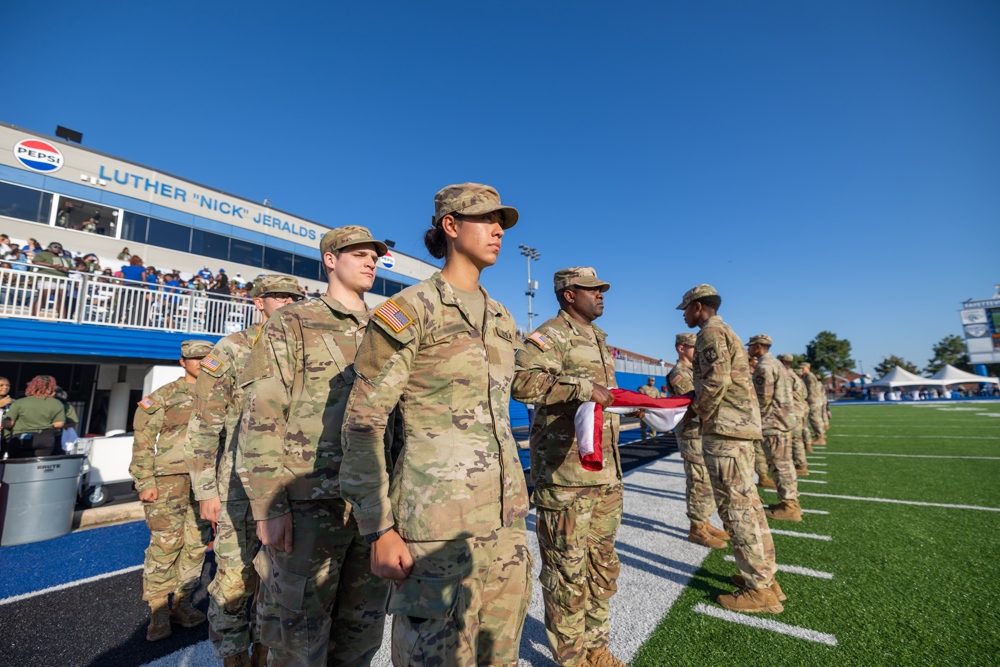
FAYETTEVILLE, N.C. – Fayetteville State University’s approach to serving military-connected, adult and transfer students is drawing national attention as colleges and universities respond to a changing undergraduate population.
Research.com recently highlighted FSU in its feature, “Inside Fayetteville State University’s Military Connected Student Ecosystem,” examining how the university brings together affordability, academic support, credit for prior learning and flexible pathways to degree completion.
The recognition reflects a student population that looks increasingly different from the traditional college model. More than 33% of FSU students are military-affiliated, including active-duty service members, veterans, reservists and military family members. The university also serves a significant population of adult, transfer and returning students.
For many of those students, access to a four-year degree begins with making the path financially manageable. Financial concerns keep many students from pursuing a degree (a 2025 Deloitte survey found more than half of Gen Z and Millennial respondents would opt out for cost reasons) even as public four-year in-state tuition averages $11,950 nationally.
Fayetteville State University changes that math substantially. Through the NC Promise Tuition Plan, North Carolina residents pay $500 per semester, and nonresidents pay $3,500 per semester beginning in Fall 2026.
Beyond tuition, nontraditional learners can offset fees, books, housing, and meals through multiple funding sources. Military-affiliated students can use the Military Tuition Scholarship, Department of Defense Tuition Assistance, GI Bill benefits, and FSU's expanded TRIO Student Support Services-Veterans program.
Additional scholarships are available based on academic achievement or financial need. These opportunities include the Fayetteville Technical Community College Keen Scholarship for transfer students, the Army Emergency Relief Scholarship, institutional grants, and external funding designated for historically Black colleges and universities. Students weighing degree options can also review the Research.com guide, "Most Affordable Online Bachelor's Degrees."
FSU also recognizes that students arriving with military training, previous college coursework, transfer credits, or professional experience may already possess knowledge that qualifies for academic degree credit.
Military students can use their Joint Services Transcript to identify training with potential academic credit equivalencies. FSU also participates in the Air University Associate to Baccalaureate Cooperative, providing eligible Air Force students another pathway to build upon previous education toward a bachelor’s degree.
Transfer and returning students have access to tools and advising designed to help determine how previous college credits apply toward an FSU degree. Partnerships with North Carolina community colleges further support students moving from two-year institutions to four-year degree programs.
Flexibility continues after enrollment. FSU offers online degree options and fall, spring and summer enrollment opportunities that can help students balance college with careers, military obligations and family responsibilities.
The university’s 30/60/90 Graduate on Time Initiative provides another pathway toward completion. Through the initiative, eligible students can use Free Summer School to earn additional credits and stay on track toward graduation. Summer 2026 enrollment reached a record 4,827 students.
That combination of affordability, flexibility and support is particularly important at an institution serving students whose path to a bachelor’s degree may include military service, previous college experience or time away from the classroom.
The Research.com feature places FSU within a broader national conversation about how universities can respond as more students arrive with different experiences, responsibilities and routes to a college degree.
For Fayetteville State, those students are already a significant part of the university community.