

New TRIO Program Expands Support for Veterans at Fayetteville State University

FAYETTEVILLE, N.C. – Fayetteville State University has launched a new TRIO Student Support Services Veterans (SSSV) program, expanding resources for military veterans and reinforcing the university’s long-standing commitment to those who have served. TRIO programs, established under the Higher Education Act of 1965, help students overcome economic and social barriers to academic success.
The program, backed by a $1.3 million U.S. Department of Education award, expands FSU’s ability to support veterans with academic, financial, and career transitions. Official operations began in late September and have since completed staffing, opened the application portal, and begun enrollment.
Enhancing Support in a Major Military Community
This increased focus comes at a pivotal time. Recent federal data indicate that hundreds of soldiers transition from Fort Bragg to civilian life in North Carolina each year, and Cumberland County continues to have one of the state's highest veteran populations. This trend, along with a thriving local veteran community, highlights the need for resources tailored to students with unique experiences and service-related transitions.
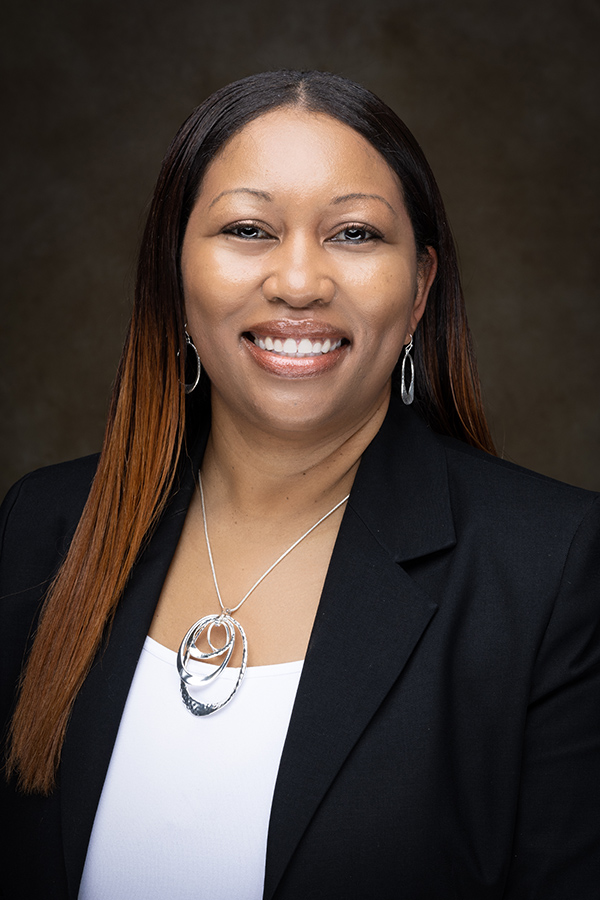
Recognizing this need, LaKeshia D. Payton, Ed.D., director of TRIO Student Support Services Classic and Veterans and an Air Force veteran, led the initiative to establish this program at FSU.
During the grant process, Payton conducted data analysis, verified trends in student eligibility, and collaborated with institutional research to develop a competitive proposal. These efforts positioned the university to secure the award in a national competition, which requires TRIO programs to reapply and compete every five years.
“We were very fortunate to compete and be selected,” said Payton. “Because I am a veteran and that was an option to write for, I decided to move forward, gather the data, and determine if we had the population to serve. The data showed that we do.”
Payton’s leadership brought the program to campus and increased FSU’s ability to support veterans in their academic journey.
Addressing the Unique Needs of Veteran Students
Payton emphasized that the students served by the program differ from traditional first-year learners.
“My freshman in the veterans program might be a 48-year-old with a spouse and a mortgage,” she said. “Their support needs look different from an 18-year-old in a dorm. This program was built with that reality in mind.”
Many veterans are employed full-time or have family responsibilities while pursuing their education. Some manage service-related injuries, while others possess extensive experience but limited familiarity with academic systems. The TRIO SSSV program complements FSU’s existing services by offering veterans additional structured and individualized support beyond general advising.
Expanded services include academic coaching, financial education, career planning, mentorship, cultural and professional learning opportunities, and improved referral pathways to campus and community resources.
A key part of the program is rebuilding camaraderie, something veterans often miss after active service.
“Camaraderie is everything in the military,” said Payton. “We want to create that same sense of connection in an academic setting. Veterans need a network that understands their journeys.”
Open and Accepting Applications
The TRIO SSSV program will serve up to 120 veteran students annually. Eligible participants include enrolled students who meet at least one federal TRIO criterion, such as first-generation status, income qualifications, or registration with disability services. Applicants must also have a DD 214 and an identified academic need. Veterans within 180 days of military separation are also eligible to apply.
Eligible veteran students are encouraged to take the next step in their academic journey by applying online through the TRIO SSSV webpage. For personalized assistance or more information, visit the TRIO SSSV office in the Helen T. Chick Building, room 131, email sssvet@uncfsu.edu, or call (910) 672-1072.