

Fayetteville State Veterans Support Program Reaches Capacity in First Year, Helps Students Navigate Life Beyond Military Service
Six participants have graduated, with half continuing to graduate education, as FSU expands support for student veterans.
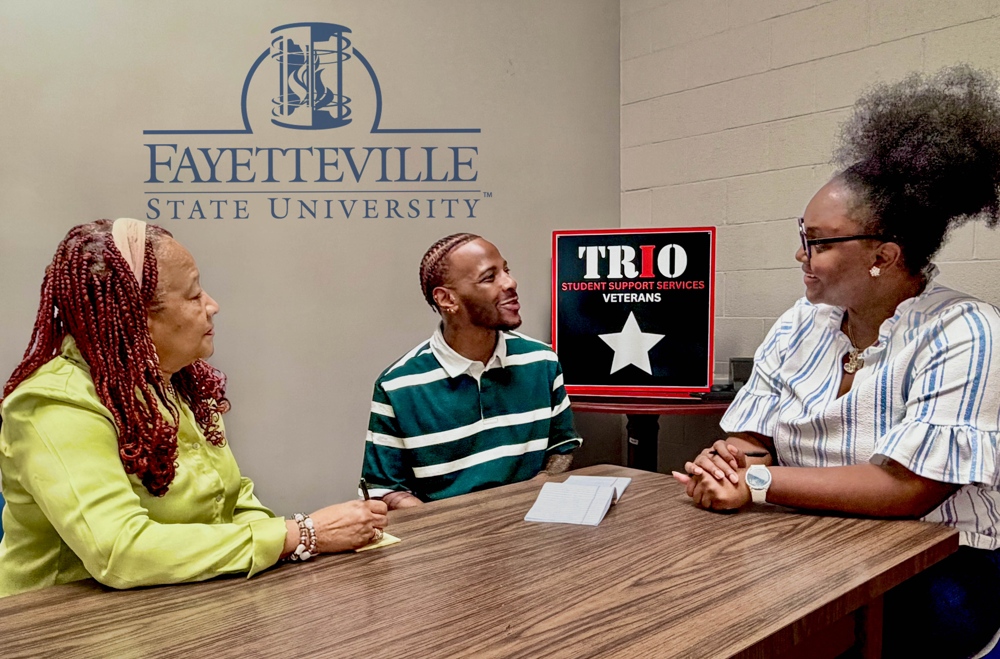
FAYETTEVILLE, N.C. – Just over a year after Fayetteville State University established a federally funded program to help military veterans succeed in college, the initiative has reached its full capacity of 120 students, a milestone achieved in its first year.
The results are a major milestone for FSU’s TRIO Student Support Services Veterans program, established in September 2025 with a $1.3 million U.S. Department of Education award. The program provides academic assistance, financial education and career development opportunities to help veterans succeed in college and prepare for civilian careers.
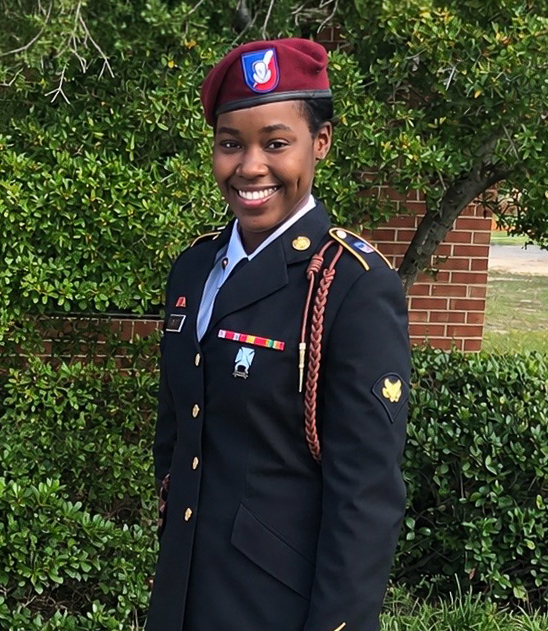
Gabriel Harrington, a junior who served six years in the U.S. Army before enrolling at FSU, found that adjusting to college required a different kind of confidence.
“One of the biggest challenges was realizing that being capable and being comfortable are two different things,” Harrington said.
After earning an associate degree in health care management during her service, she continued her education at Fayetteville Technical Community College, where she earned a cosmetology license. She later transferred to FSU to pursue a bachelor’s degree in business administration.
Despite her experience, the transition to a university environment presented challenges.
“I was used to having a clear mission and knowing what was expected of me,” Harrington said. “College required me to become comfortable with figuring things out for myself, asking questions, and making decisions about my future without always having a clear answer.”
Turning Military Experience into Academic and Career Opportunities
The SSSV program's first year revealed an important distinction in how veterans experience higher education.
“Veteran students bring a significant amount of experience, discipline, leadership, and professional knowledge with them, but those strengths do not always translate automatically into the language and structure of higher education,” said Ka’Nijuh Tillery, academic support coordinator for SSSV in the Office of College Access Programs.
For veterans accustomed to the structure of military service, understanding university processes, navigating degree requirements and translating military experience into civilian qualifications can present challenges.
Tillery said the program recognizes the professional experience students already possess and helps them apply it toward future opportunities.
“Many already are professionals,” Tillery said. “Instead, we help them understand how to translate the experience they have already gained into academic credentials, civilian career opportunities, graduate education and continued professional growth.”
That approach is beginning to produce measurable results. Among the program’s first six graduates, three have pursued advanced education, including an MBA, a law degree at North Carolina Central University and graduate study at Florida State University. Other graduates have entered careers related to their fields of study.
While longer-term retention and graduation data are still being established, the program’s early enrollment and graduate outcomes offer an initial picture of its reach.
Finding Community Beyond Military Service
For student veterans, academic progress represents only part of the transition.
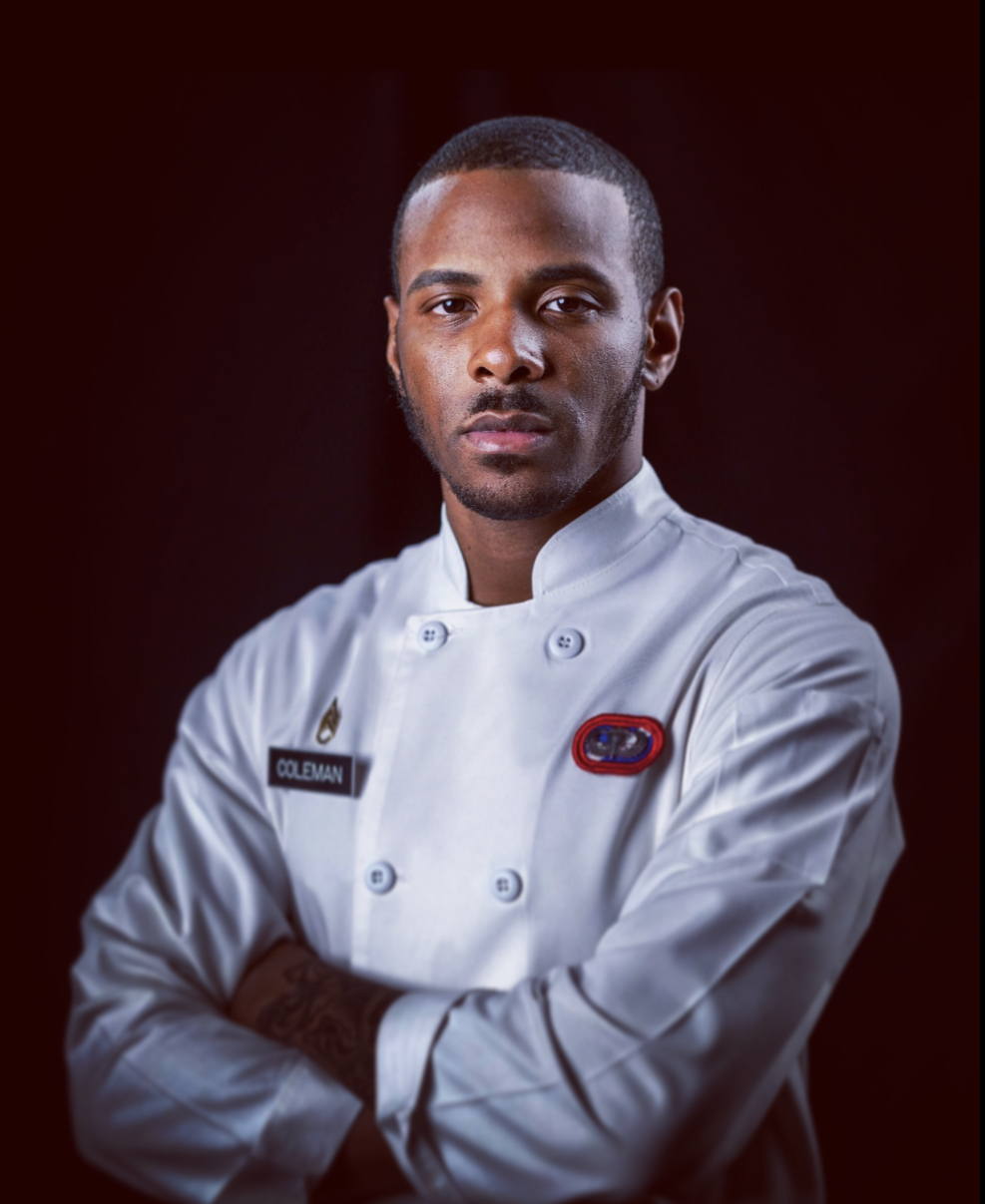
LeCory Coleman, a junior majoring in psychology with a focus on work and organizational psychology, said adjusting from military life means learning to navigate a different environment while managing responsibilities outside the classroom.
“In the military, there is a clear structure, chain of command, mission, and sense of purpose,” Coleman said. “College requires a different type of independence, and veterans may also be balancing work, family responsibilities, benefits, and long-term career planning at the same time.”
Coleman, who was selected as Mr. TRIO SSS Veterans, said the program helped him become more involved in campus life and pursue leadership opportunities.
“The greatest impact SSSV has had on me has been helping me recognize that I can be more than just a student attending classes,” he said. “It has encouraged me to become involved, build relationships, take on leadership opportunities, and become part of the FSU community.”
For Harrington, the program has provided something equally important: a community of people who understand her experiences.
“Sometimes you can be surrounded by people and still feel like you’re navigating things alone,” she said. “TRIO gave me a place where I could connect with people who understood the veteran experience and where I didn’t feel like I had to explain everything about where I was coming from.”
As SSSV enters its second year, the university plans to strengthen career preparation and professional networking opportunities while continuing individualized support for its 120 participants.
Future programming will focus on helping students translate military experience into civilian careers, develop professional skills and navigate emerging workplace technologies. The program also plans to collect additional student outcome data to evaluate its long-term impact better.
For more information, visit the TRIO Student Support Services Veterans Office in the Joseph L. Knuckles Building, Room 203. You can also email sssvet@uncfsu.edu or call (910) 672-1072.