

Fayetteville State University Secures $10 Million Department of War Award to Advance Applied AI Research
The five-year investment will expand defense-focused research, support new faculty and student researchers, and advance plans for a doctoral program in applied artificial intelligence.
FAYETTEVILLE, NC – Fayetteville State University has secured a $10 million research award from the U.S. Department of War to establish an interdisciplinary research program focused on applied artificial intelligence for defense systems, including contested logistics technologies and biomanufacturing.
FSU being 1 of only 5 institutions awarded nationwide; the five-year award, approximately $2 million annually, is part of the Department of War's fiscal year 2026 Research and Education Program for Historically Black Colleges and Universities and Minority-Serving Institutions Pilot Program to Increase Research Capacity.
The investment represents a major expansion of FSU's research enterprise and comes as Fayetteville and the surrounding region look to build on their proximity to Fort Bragg and expand their role in defense research and innovation.
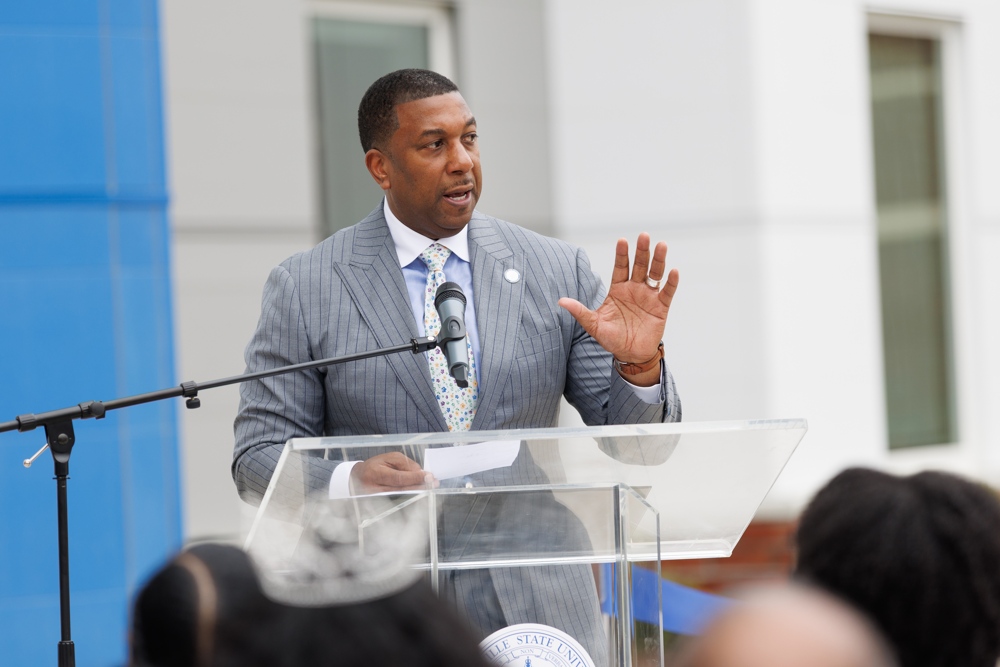
"Fayetteville is home to one of the nation’s premier military communities, a growing entrepreneurial ecosystem and people deeply committed to building a stronger future," Chancellor Darrell T. Allison said. "This investment gives Fayetteville State University an opportunity to bring those strengths together through research that can contribute to our nation’s defense while creating new opportunities for our students, faculty and the region we call home."
The award will provide expanded opportunities for both graduate and undergraduate students to participate directly in advanced research, strengthening pathways from the classroom and laboratory into careers in artificial intelligence, data science, advanced manufacturing, biotechnology, logistics and the national-security workforce.
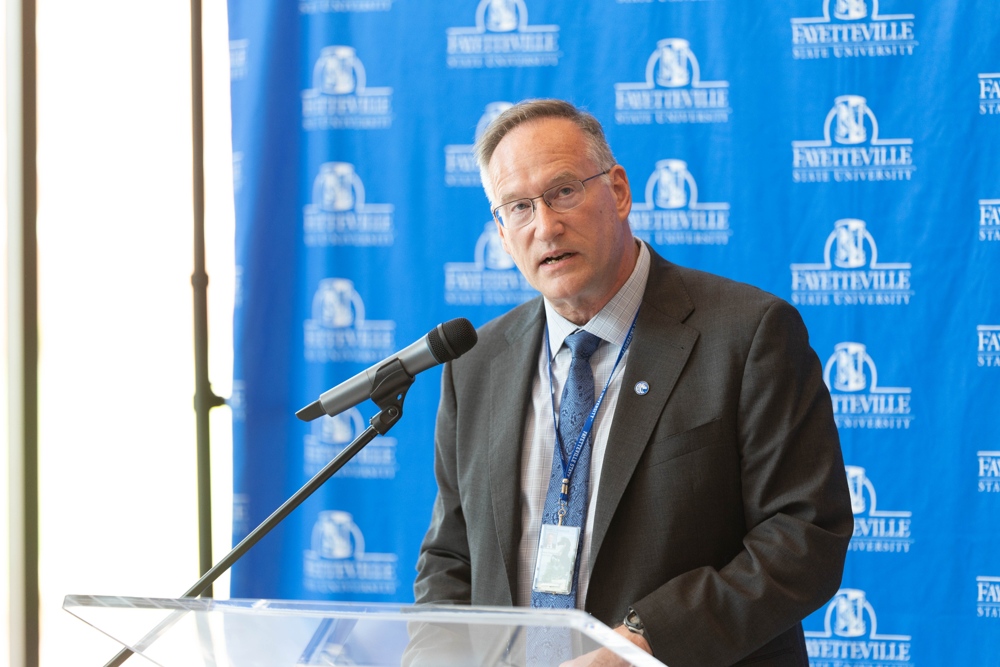
"This award is an important investment in the research capacity we are building at Fayetteville State University," Provost and Senior Vice Chancellor for Academic Affairs Scott Krawczyk said. "It will allow us to expand opportunities for faculty and students to engage in advanced research while building the academic infrastructure necessary to sustain that work well beyond the life of this award. That is how we strengthen FSU’s research enterprise and prepare students to contribute in fields increasingly important to our region and our nation."
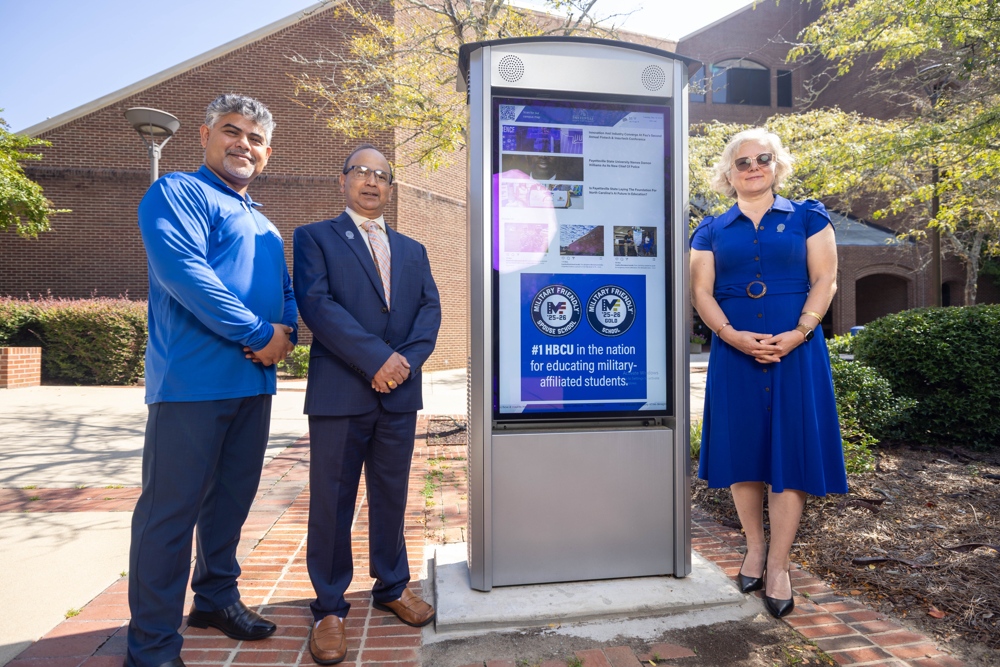
Ganesh C. Bora, Ph.D., Fayetteville State University's associate vice chancellor for research and innovation and chief research officer, will serve as principal investigator. Sambit Bhattacharya, Ph.D., professor of computer science, and Burcu Adivar, Ph.D., professor and associate dean of the Broadwell College of Business and Economics, will serve as co-principal investigators.
Regional Leaders See Momentum for a Defense Innovation Corridor
The award also aligns with a broader regional conversation about Fayetteville's future as a center for defense innovation. At a recent Newsmakers event hosted by CityView, Fayetteville Mayor Mitch Colvin and Cumberland County Commissioner and Commission Chair Kirk deViere both pointed to the region's military presence and entrepreneurial ecosystem as assets that can help shape the region's economic future. They called for deeper connections among the military, higher education, and the region's innovation economy.
"For too long, our region’s growth has leaned almost entirely on government employment. This award is exactly the kind of investment that helps Fayetteville build a real footprint in defense, cyber, and technology-driven industries, turning our proximity to Fort Bragg into a research and innovation asset, not just a contracting relationship," Colvin said.

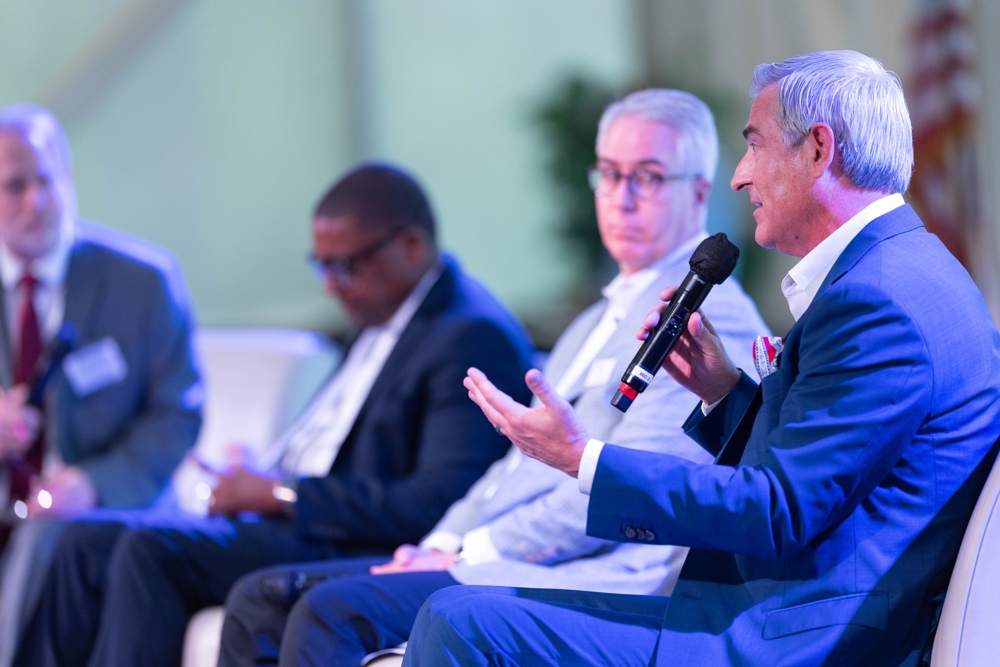
"This award strengthens the case for the defense innovation corridor we've been building, one that links FCEDC's Innovation Center, Fayetteville State University, Fayetteville Technical Community College, Fort Bragg's Joint Innovation Outpost, and the Military Business Park. Federal investment like this doesn't just fund research. It builds the talent and technology pipeline our region needs to compete," deViere said
The university plans to work closely with Fort Bragg as the research initiative develops.
The investment is also expected to advance FSU's efforts to expand its research profile. The university is working toward increased research activity under the Carnegie Classification, with growth in annual research expenditures and the production of research doctorates among the measures that will contribute to that effort.
"This is about building capacity that lasts," Bora said. "We are creating opportunities for students to conduct meaningful research, expanding our faculty expertise and establishing an academic program that can continue producing research and researchers for years to come."