

FSU Concludes Women’s History Month with the Trailblazing Legacy of Dr. T. J. Bryan
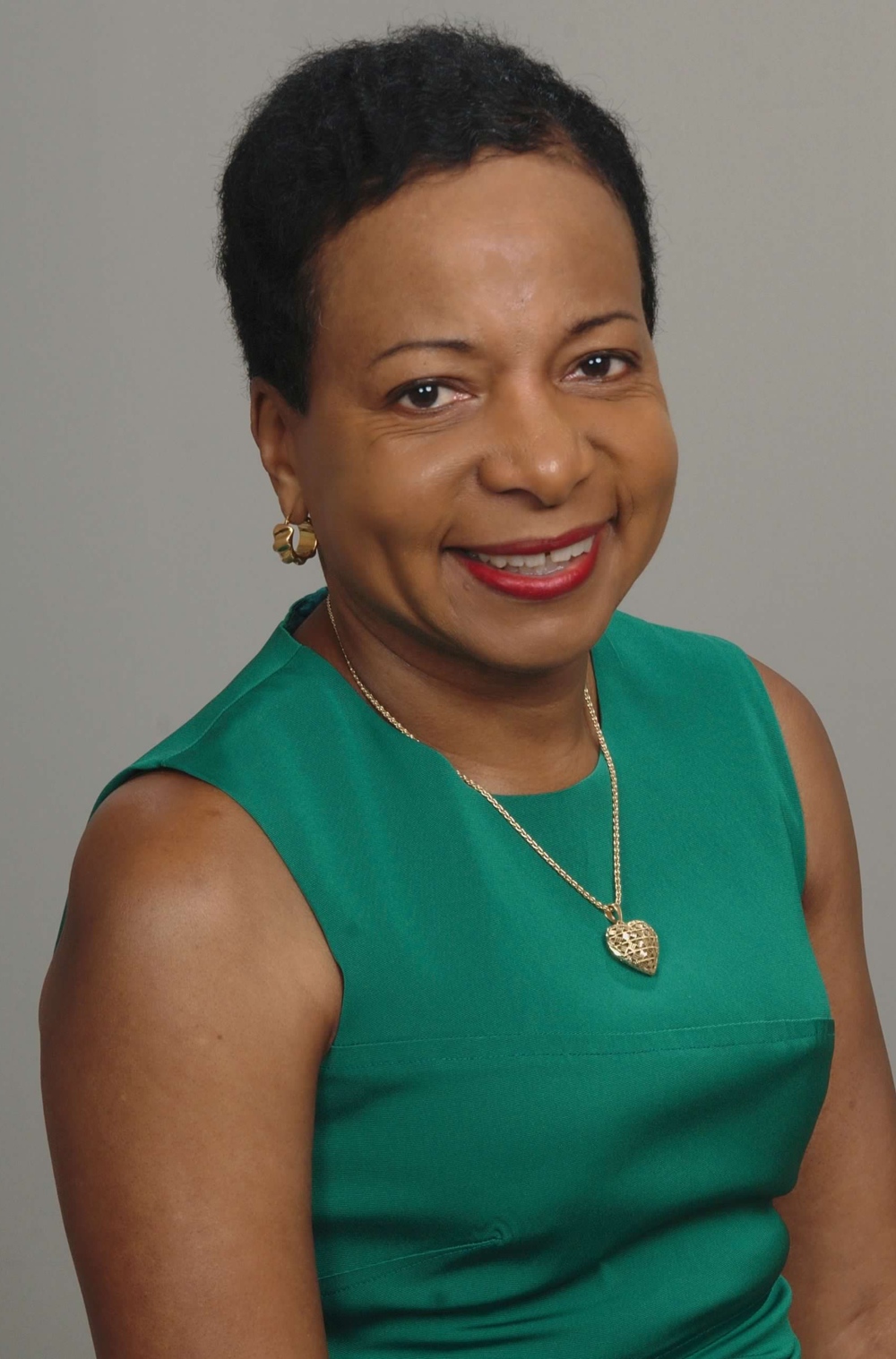
FAYETTEVILLE, N.C. – As this year’s celebrations of Women’s History Month come to an end, Fayetteville State University reflects on a defining moment in its history, one that reshaped leadership and expanded opportunity across campus.
In 2003, Thelma Jane “T. J.” Bryan, Ph.D., was appointed as the University’s tenth chancellor, becoming the first woman and the first African American woman selected by the University of North Carolina Board of Governors to lead a UNC System institution. Her appointment marked a historic milestone not only for Fayetteville State University but for the broader landscape of higher education in North Carolina. Bryan served the university from 2003 until 2007.
Bryan’s appointment marked a historic first, but for her, the moment was less about recognition and more about responsibility.
“I don’t even know that I was aware of the fact that I was the first African American woman to lead an institution in the system,” Bryan said. “I was so accustomed to my life, to being the first, sometimes the only, in a variety of settings.”
That experience was not unfamiliar. Bryan recalled a story from a former student who had walked past a conference room and noticed a single pair of high heels beneath the table. Without looking up, the student knew Bryan was the only woman in the room.

As a first-generation college student who built her career in spaces where few women and even fewer African American women held leadership roles, Bryan said her focus remained on the work itself rather than the milestone it represented.
“As a woman of my time, functioning in a world where there had been relatively few opportunities for African Americans and for women, I found myself frequently being the first or the only,” she said. “So, I wasn’t conscious of it. I was focused on the work we were doing, hoping to add to the University in excellent ways. The focus was never my place in history.”
During her tenure, Bryan’s leadership was defined not just by the barriers she broke, but by the intentional growth she championed across the University. Under her direction, FSU expanded its academic offerings by adding ten new academic offerings, including undergraduate degrees in fire science, forensic science, management information systems, and generic nursing, as well as master’s programs in criminal justice and teaching. The University also significantly advanced its online presence, launching fully online degree programs and rising to third in distance education enrollment within the UNC System.
“I’m very proud of the programs we developed,” Bryan said. “We consciously tried to provide programs that were truly needed in the region and the economy.”
Bryan also prioritized academic excellence by focusing on specialized accreditation, ensuring programs met the highest standards of quality and recognition. That emphasis led to accreditations across multiple disciplines, strengthening the University’s academic reputation and positioning its graduates for continued success.

In addition to academic expansion, Bryan’s tenure saw the establishment of Cross Creek Early College High School and Fire Station 14 on campus, further deepening the University’s connection to the surrounding community.
Reflecting on her time at FSU, Bryan points not only to institutional growth but to the relationships built along the way.
“I’m happy that I had the time there, glad I made the friendships, glad that I was able to help,” she said. Bryan still keeps in touch with many colleagues and students from her time at FSU.
Bryan was later named chancellor emeritus, a recognition of her lasting contributions to the University. Her leadership continues to be reflected in the programs, partnerships, and academic standards that remain in place today.
Today, the impact of Bryan’s leadership can be seen across FSU in the programs she helped build, the standards she advanced, and the opportunities that continue to serve students and the region.